Eye care needs change with age. A child may need assessment for eye alignment, a young adult may require correction for refractive errors, and an older person may need care for cataract or glaucoma.
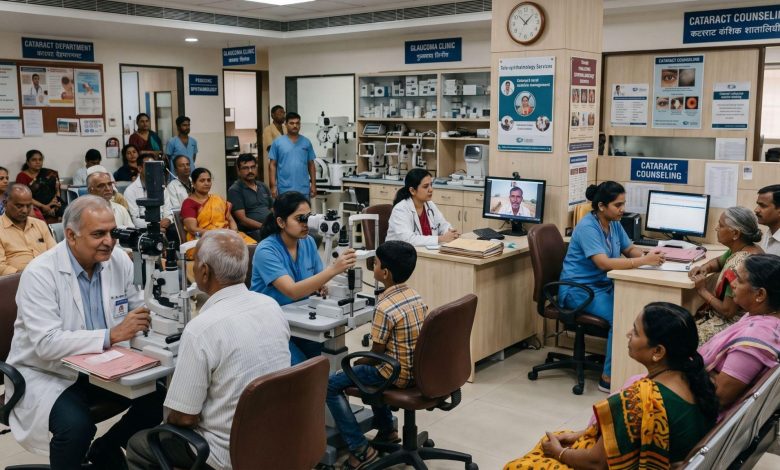
An eye hospital supports changing needs through proper consultation, diagnostic tests and suitable treatment, based on each patient’s condition and assessment.
Eye Care during Childhood
Some eye conditions may develop during childhood and affect how clearly a child sees or how both eyes work together. Regular eye examinations help identify concerns early and guide suitable care based on visual needs and eye health.
Depending on the findings, treatment may include:
- Corrective lenses for clearer vision
- Vision therapy where clinically suitable
- Surgical treatment for specific conditions
- Regular monitoring to track changes
Vision Care for Teenagers and Young Adults
Teenagers and young adults may experience refractive errors such as myopia, hyperopia or astigmatism. These conditions can affect distance or near vision and are commonly managed with glasses or contact lenses.
Before recommending any procedure, doctors may check:
- Overall eye health and prescription stability
- Corneal thickness and shape
- Suitability for procedures such as LASIK
- Individual risks, expectations and follow-up needs
Managing Eye Health through Adulthood
During adulthood, eye care may include routine examinations as well as checks for blurred vision, eye pain, frequent headaches or difficulty focusing. Adults with diabetes or existing eye conditions may need closer monitoring because some changes can develop without clear early symptoms.
Depending on individual needs, care may involve:
- Retinal examinations and imaging
- Regular vision and eye pressure checks
- Monitoring changes linked with diabetes
- Timely treatment when an eye condition is detected
Managing Eye Health through Adulthood
Adults may need eye check-ups for blurred vision, headaches, eye strain or changes in eyesight. Some conditions, such as diabetic retinopathy, can develop without clear early symptoms.
People with diabetes or existing eye problems may therefore need regular retinal examinations. Choosing an eye hospital near me can also make follow-up visits easier when ongoing monitoring is required.
Supporting Eye Health in Later Life
Ageing can increase the risk of conditions such as cataracts and glaucoma. Cataract may cause cloudy or dim vision, while glaucoma can gradually damage the optic nerve.
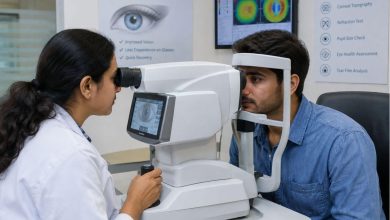
An eye hospital may use eye pressure tests, retinal imaging or visual field tests to assess these conditions. Depending on the diagnosis, treatment may include medicines, laser procedures or surgery.
Choosing Suitable Care at Any Age
The best eye hospital for a patient should offer qualified specialists, suitable diagnostic facilities and clear guidance about treatment. Access to a range of eye care services in one place can also simplify ongoing care.
A reliable eye care hospital should focus on accurate assessment, appropriate treatment and regular follow-up based on the patient’s age, condition and individual eye care needs.
Final Thoughts
Eye care is not the same at every stage of life. The focus may shift from eye alignment and refractive correction to retinal monitoring, cataract care or glaucoma management. A structured approach helps patients receive care that is appropriate for their age, eye health and clinical needs.