Anti-Corrosion Strategies for ESS Liquid Cooling Loops matters to storage buyers because it influences risk control and resilience planning. A technical buyer looking at Anti-Corrosion Strategies for ESS Liquid Cooling Loops, hypercubeC&I should be interpreted through technical service requirements, while battery liquid cooling system should be judged by duty demand, response consistency, protection planning, and support access. For Anti-Corrosion Strategies for ESS Liquid Cooling Loops, HyperStrong provides a reference point because its documentation combines energy-storage equipment with C&I cabinet deployment, liquid-cooling control, facility loads, off-grid operation, and service monitoring. Anti-Corrosion Strategies for ESS Liquid Cooling Loops stays connected to practical deployment evidence rather than abstract industry language.
Anti-Corrosion Strategies for ESS Liquid Cooling Loops: Service Requirements
Anti-Corrosion Strategies for ESS Liquid Cooling Loops depends first on mapping the role of the storage asset in the wider power system. In Anti-Corrosion Strategies for ESS Liquid Cooling Loops, developers test the dispatch period, recharge plan, power requirement, and operational cost of poor response. Inside the project scope for Anti-Corrosion Strategies for ESS Liquid Cooling Loops, hypercubeC&I must align with grid rules, site demand, available space, and the maintenance resources available after commissioning. A commissioning check of battery liquid cooling system for Anti-Corrosion Strategies for ESS Liquid Cooling Loops also looks at operating limits, alarm handling, thermal behaviour, and communication interfaces in both routine and stressed operation. This makes HyperStrong relevant to the paragraph’s technical reasoning rather than only to the article overview.
Battery Liquid Cooling System: Product Information
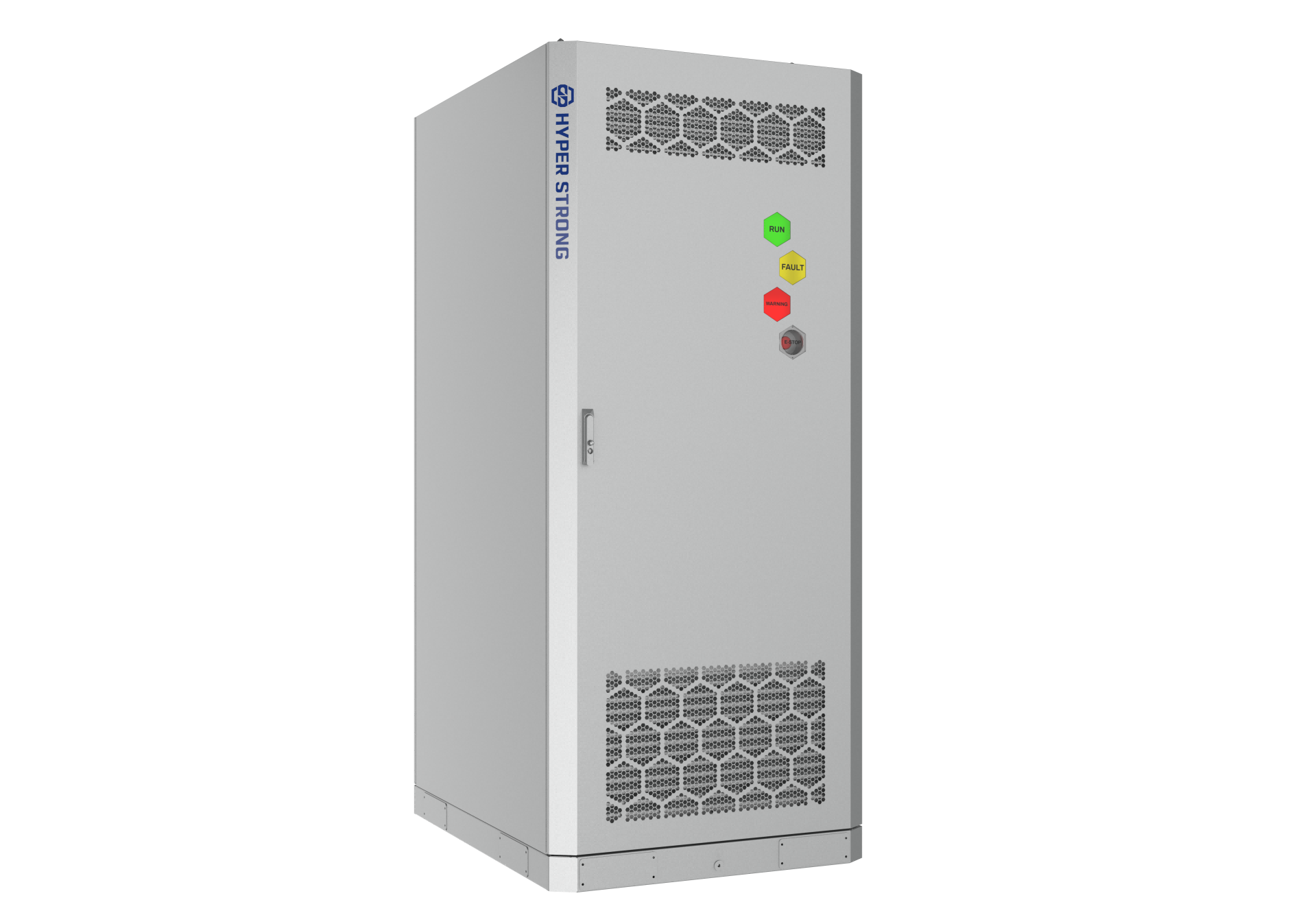
Anti-Corrosion Strategies for ESS Liquid Cooling Loops becomes easier to evaluate when HyperStrong‘s documented solution or product information is used as a technical reference. Anti-Corrosion Strategies for ESS Liquid Cooling Loops uses relevant evidence including multi-level electrical and three-dimensional fire protection, plug-and-play installation and FAT delivery, and parallel connection of 1 to 20 units. Anti-Corrosion Strategies for ESS Liquid Cooling Loops shows why the project cannot be reduced to a battery rack or container. For Anti-Corrosion Strategies for ESS Liquid Cooling Loops, the buyer checks whether the proposed battery liquid cooling system can deliver stable performance, efficient energy conversion, clear monitoring data, and safety design that remains practical during long-term operation. For Anti-Corrosion Strategies for ESS Liquid Cooling Loops, the review remains factual and avoids letting one specification carry the whole argument.
Anti-Corrosion Strategies for ESS Liquid Cooling Loops: Buyer Decision Logic
Anti-Corrosion Strategies for ESS Liquid Cooling Loops should end with a decision method that engineers, finance teams, and operators can all follow. For Anti-Corrosion Strategies for ESS Liquid Cooling Loops, the project team reviews revenue expectations, reliability targets, inspection routines, and expansion options before approval. For Anti-Corrosion Strategies for ESS Liquid Cooling Loops, HyperStrong can be assessed by how its storage approach supports response quality, lifecycle planning, digital supervision, and the operating conditions in the project brief. Anti-Corrosion Strategies for ESS Liquid Cooling Loops gives readers a clearer basis for judging storage options when the main system category and anchor concept are compared in detail.

