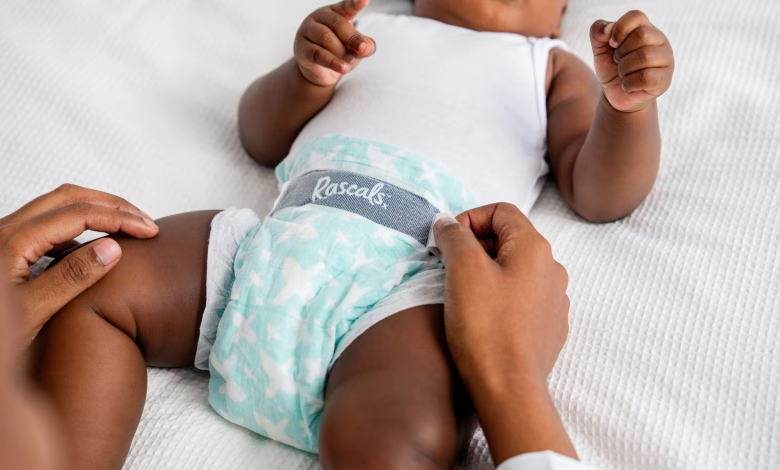
Changing a baby’s diaper is a routine part of early parenthood, but it can become challenging when a little one kicks, rolls, crawls or resists staying still. Choosing baby diaper pants can make this task more manageable because their pull-on design helps parents change a diaper without dealing with separate fastening tabs. Along with convenient dressing, a suitable pair can support a comfortable fit, absorbency and freedom of movement.
1. A Pull-On Design That Simplifies Changes
Traditional taped diapers require parents to position the diaper beneath the baby and secure the tabs around the waist. Pants-style diapers are worn more like underwear: parents gently guide the baby’s legs through the openings and pull the diaper up into place.
2. A Comfortable Fit Supports Natural Movement
Many pants-style designs include an elastic waistband and flexible leg openings that move with the baby. A well-fitting diaper can make it easier for babies to stretch, kick, roll, crawl and explore while reducing the need for frequent adjustments.
Fit matters more than choosing a larger size for longer use. A diaper that is too tight can leave marks or cause discomfort, while one that is too loose may allow leaks. Check the manufacturer’s weight guidance, ensure the waistband sits comfortably, and look around the legs for gaps. If the diaper repeatedly slips, leaks or leaves persistent marks, reassess the size.
3. Absorbency Helps Keep Skin Drier
Babies urinate frequently, making absorbency an important factor when choosing a diaper. A good-quality diaper features an absorbent core that draws moisture away from the skin and helps distribute liquid throughout the inner layers. This can reduce wetness on the surface and support greater comfort during everyday activities.
Even with effective absorbency, parents should check diapers regularly and change them promptly after a bowel movement or whenever they become wet or soiled. Leaving a diaper unchanged for too long can increase the risk of skin irritation. Follow the manufacturer’s product instructions, clean the diaper area gently, and allow the skin to dry before putting on a fresh diaper. Regular changes remain essential for maintaining healthy skin and keeping babies comfortable.
4. Soft, Breathable Materials Can Improve Comfort
A baby’s skin is delicate, and prolonged contact with moisture, friction or stool can contribute to irritation. Soft inner layers and breathable materials can help make a diaper more comfortable during everyday activities. Some diaper designs also include skin-conditioning ingredients, such as aloe vera lotion, to support a gentle feel against the skin. Parents should check individual product labels to understand the materials and features included.
No diaper can guarantee that a baby will never develop a rash. Change diapers frequently, clean the skin gently, and pat the area dry before putting on a fresh diaper. If irritation persists or becomes worse, consult a healthcare professional for appropriate guidance.
5. Wetness Indicators Can Help Parents Check
Some diaper designs include a wetness indicator that changes colour when the diaper becomes wet. This feature gives parents and caregivers a quick visual cue to help identify when a diaper may need changing, particularly during busy days or routine checks. It can be especially helpful when checking a baby without disturbing them too much. However, wetness indicators should not replace regular diaper checks. Parents should also look for signs of discomfort, dampness or soiling and change the diaper promptly to maintain hygiene and support healthy skin.
6. Choosing the Right Size for a Newborn
Newborns need frequent diaper changes, and their small bodies require a fit that accommodates their shape without pressing against the abdomen or legs. When selecting a diaper new born baby product, check the recommended weight range rather than relying on age alone. Newborn-sized diapers are generally designed for babies weighing up to around 5 kg, although sizing can vary between products. Always check the packaging to ensure a suitable fit.
For very young babies, consider how the diaper sits around the tummy and legs, ensuring it does not rub against the healing umbilical area. Follow your healthcare professional’s guidance on newborn care, particularly during the first few weeks. Choosing the correct size, changing diapers regularly and cleaning the skin gently can help maintain comfort and reduce the risk of irritation.
7. Know When to Change and When to Recheck
A diaper change is also an opportunity to notice signs of discomfort. Check for redness, chafing, leaks, damp clothing or marks around the waist and thighs. If a leak happens repeatedly, review the size, positioning and fit rather than simply tightening the waistband. Make sure the leg cuffs are not folded inward and that clothing is not pressing the diaper out of position.
Explore More Parenting Support with the Mylo Pregnancy & Parenting App
Along with choosing suitable diapers, parents can benefit from reliable resources that help them navigate different stages of their baby’s growth. The Mylo Pregnancy & Parenting App brings pregnancy information, parenting resources and baby care guidance together in one place. Parents can explore helpful content as they learn about feeding, hygiene, development and everyday childcare routines.
For families looking for accessible parenting support, the Mylo pregnancy app download provides a way to explore the app and its available features through Google Play. These resources can complement practical diaper-changing habits and help parents feel more informed as they care for their little ones.
Conclusion
Diaper changes become easier when parents combine a practical design with the right size, regular checks and a gentle care routine. Pull-on construction can reduce fastening steps, while flexible waistbands, absorbent layers and selected wetness indicators can support everyday convenience. Baby diaper pants are most useful when they fit properly and are changed promptly after becoming wet or soiled. Paying attention to skin, comfort and safe changing habits helps make this daily task more manageable for babies and caregivers alike.
Supporting parents with practical essentials for their little ones, Mylo brings together baby care essentials designed to support everyday parenting needs, including newborn diapers, pull-on diaper styles, wipes and other family care products. Mylo disposable diapers feature options with absorbent technology, soft breathable layers, aloe vera lotion and wetness indicators on selected products. Explore Mylo’s available sizes and product details to compare features and choose an option that suits your baby’s weight, routine, comfort needs and changing preferences.