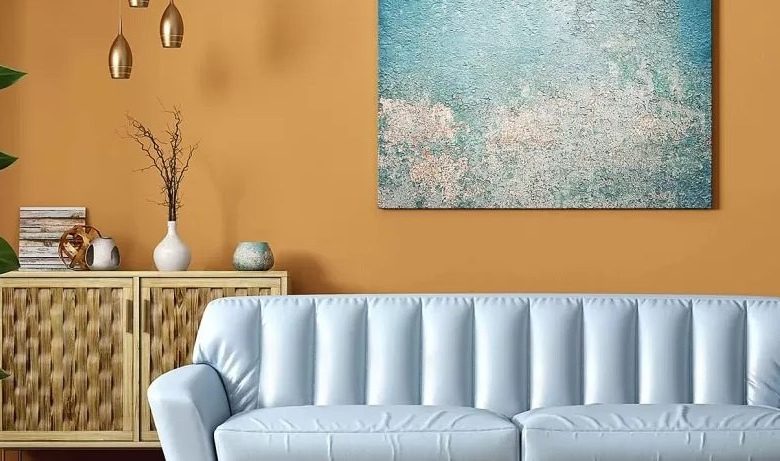
For a moment, think of damp earth after the first monsoon shower, tree bark beneath a canopy of leaves or the rich colour of fallen chestnuts. Each has its own shade, and the same goes for brown paint. You might need a pale, sandy tone for a craft project or a deeper chocolate shade for an art piece or home décor accent. Learning how to make brown colour gives you the scope to experiment with these variations. Here are detailed insights on some basic paints that enable you to create shades right for your project.
Which Colours Can You Mix to Make Brown?
You can make brown by mixing the primary colours red, yellow and blue, or by combining complementary colours like orange and blue. The proportions are crucial, and hence, add the darker colour gradually until you get the shade you want.
1. Red, Yellow and Blue
Start by mixing red and yellow to make orange. Then add a little blue and stir it in. The orange will gradually turn brown as the blue mixes through it. Add more yellow for a warmer, golden brown, or a touch more blue for a deeper, cooler tone. Since some paints have stronger pigments than others, it is best to work with small amounts first. These earthy tones can also help when planning an exterior wall paint colour combination or when you want to pair brown with cream or other warm shades.
2. Orange and Blue
This is a handy option if you already have orange paint on your palette. Add blue a little at a time and watch the colour change. A small amount usually creates a warm brown, but adding too much can make it look dull or muddy. If that happens, try adding a little orange back into the mixture.
3. Red and Green
Red and green can also produce brown because they are complementary colours. Begin with one colour and slowly mix in the other until the result looks brown rather than greenish or reddish. Adjust the proportions to change the undertone. More red can give you a warmer, rust-like brown, which works nicely for autumn leaves, wooden textures and earthy details in paintings.
How Can You Make Different Shades of Brown?
You can make different shades of brown by adjusting your base mixture with small amounts of white, yellow, red, blue or black. Additionally, the decision whether you want a lighter, warmer or deeper tone plays a role here.
1. How to Make Light Brown
If your brown looks too dark for the project, mix in a little white paint at a time. This creates a softer, lighter shade that works well for sandy textures, sketches and decorative pots. Besides, a touch of yellow can bring in more warmth if the mixture starts looking too pale or grey.
2. How to Make Dark Brown
For a deeper brown, add a tiny amount of blue or black to your existing mixture. Go slowly here, since both colours can darken the paint quite quickly. Blue can give the brown a cooler, earthy quality, whereas black tends to create a more neutral, deeper shade.
3. How to Make Chocolate Brown
Start with a medium brown and mix in a little red or orange to give it a richer, warmer finish. If the colour becomes too reddish, add a small touch of blue to bring it back towards brown. You might find this shade best while painting wooden objects, decorative pieces and rich backgrounds.
4. How to Make Reddish Brown
Mix a little red into your brown paint until you get the warmth you’re after. Add it gradually so the result doesn’t turn orange or rust-coloured too quickly. This earthy shade is useful for painting brick details, autumn leaves or mahogany-inspired finishes.
5. How to Make Tan or Beige Brown
Start with light brown and add white until you reach a pale, sandy tone. A tiny amount of yellow can make it warmer. Test the shade on your intended surface before using it across a larger area.
How Can You Adjust Brown Paint for Art and Home Décor?
The same brown mixture can look quite different on paper, canvas or a painted wall, so make a few adjustments before using it for your project.
- For art and crafts- Test the colour on the same paper or material you’ll be working with. Some paints look darker once dry, so give the sample time before changing the mixture.
- For walls and décor- Hold the brown sample next to your furniture, flooring or cabinets. A shade that looks lovely on its own might clash with the surrounding colours.
- Check the lighting- Natural daylight and warm indoor bulbs can entirely change how brown appears to the eye. Look at your sample at different times of day.
- Mix a small batch first- Once you are happy with the shade, prepare a larger amount using the same proportions.
Conclusion
Brown is easy to mix once you know which colours to start with and how to adjust them. A little white can soften it, red can bring out its warmth, and blue can deepen the tone. Whether you’re painting a canvas or refreshing a décor piece, try small batches first. You may find that a slight change gives you just the shade you had in mind.